
4 | Astronomical Bodies
4 | Astronomical Bodies
Astronomical Bodies
Stars
- A star is a large, luminous ball of hot gas.
- Stars generate immense amounts of heat and light through nuclear fusion reactions that take place in their core, which primarily involve the fusion of hydrogen atoms into helium atoms, as well as small amounts of other elements.
- Stars have life cycles ranging from million to trillions of years, and their properties change as they age.
- Our Sun is an example of a star.
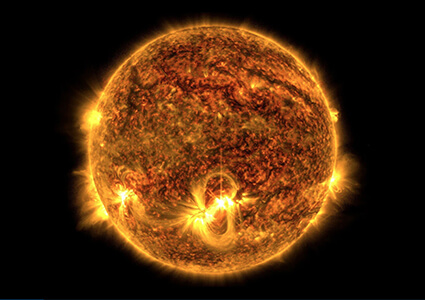
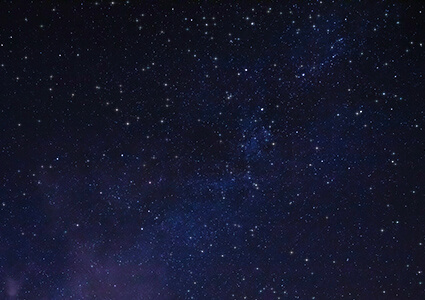
Stars are large, luminous balls of hot gas undergoing nuclear fusion.
(Images: NASA; astrosystem, Adobe Stock)
Planets and Dwarf Planets
- A planet is a spherical body that orbits a star or stellar remnant.
- Planets can be solid and composed primarily of rock or metal, or they can be composed of gas and ice.
- A dwarf planet is also a spherical body that orbits a star, but differs in that it is not large enough to have cleared its neighbourhood of similar-sized objects. (For this reason Pluto was downgraded from a planet to a dwarf planet in 2006.)
- Our solar system consists of eight planets and five recognised dwarf planets.
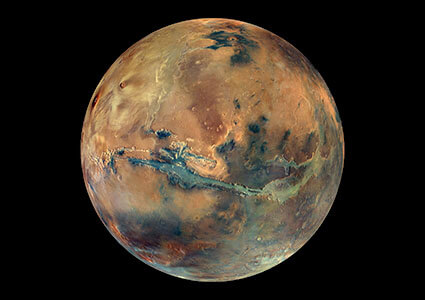
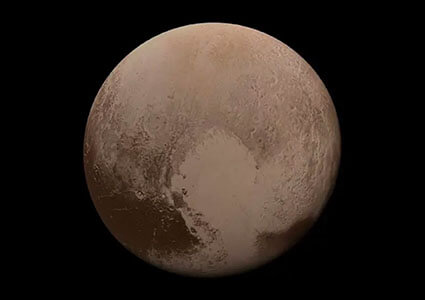
Planets and dwarf planets are spherical bodies that orbit a star.
(Images: ESA/DLR/FU Berlin/G. Michael; NASA)
Moons
- A moon is a celestial body that orbits a planet or dwarf planet.
- Moons can have spherical or irregular shapes, and are generally rocky or icy bodies, or a combination of both.
- Our inner solar system contains only three moons (one around Earth and two around Mars), whereas the outer solar system contains hundreds of moons.
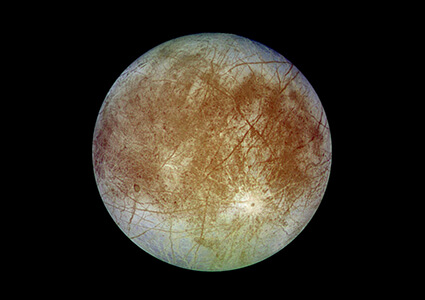
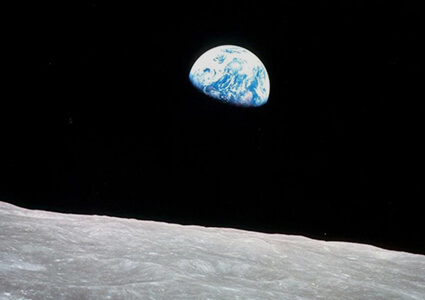
Moons are rocky or icy bodies that orbit a planet or dwarf planet.
(Images: NASA)
Asteroids, Comets and Meteoroids
- Asteroids, comets and meteoroids are all bodies that orbit a star, but they are smaller than planets and generally have irregular shapes.
- An asteroid is a small, rocky body.
- Asteroids appear as points of light when viewed through a telescope.
- A comet is a small body composed of ice and dust, with a ‘tail‘ consisting of a mixture of partially vaporised ice and gas particles.
- Comets appear fuzzy when viewed through a telescope.
- A meteoroid is a small fragment of an asteroid or comet, usually created during a collision. Most meteoroids are pebble sized or smaller.
- Meteors (‘shooting stars‘) are meteoroids that are burning up in Earth’s atmosphere.
- Meteorites are meteoroid fragments that have reached Earth’s surface.
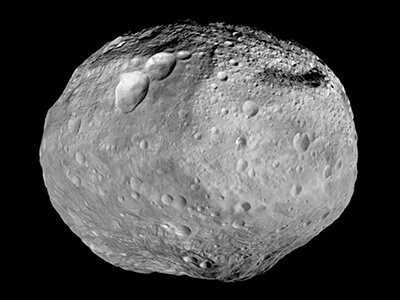
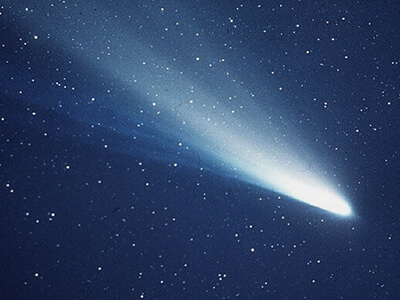
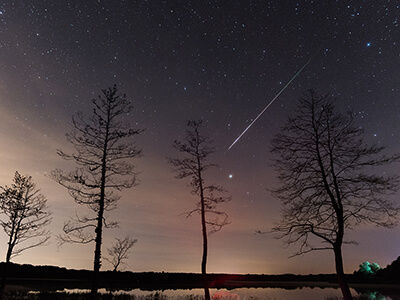
Asteroids, comets and meteoroids are small, irregularly shaped bodies that orbit a star.
(Images: NASA; NASA; roobcio, Adobe Stock)
Quizzes