3 | Elements and Compounds
3 | Elements and Compounds
Types of Pure Substances: Elements and Compounds
- Pure substances can be divided into elements and compounds, based the number of different atoms they contain.
Elements
- Elements are substances that are made up of subunits containing one type of atom.
- Examples of elements include helium, carbon and copper. They are made up only of helium atoms, carbon atoms and copper atoms respectively.
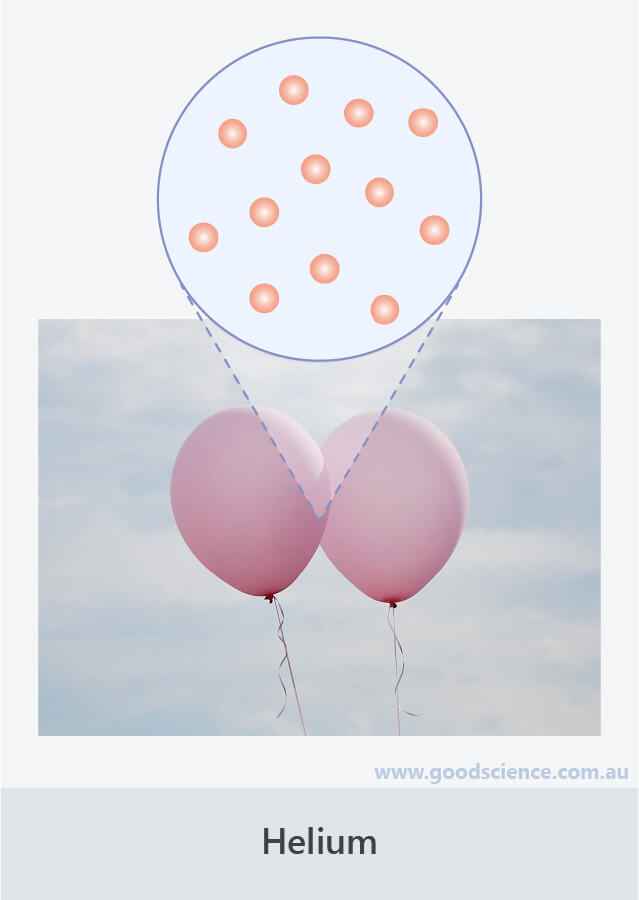
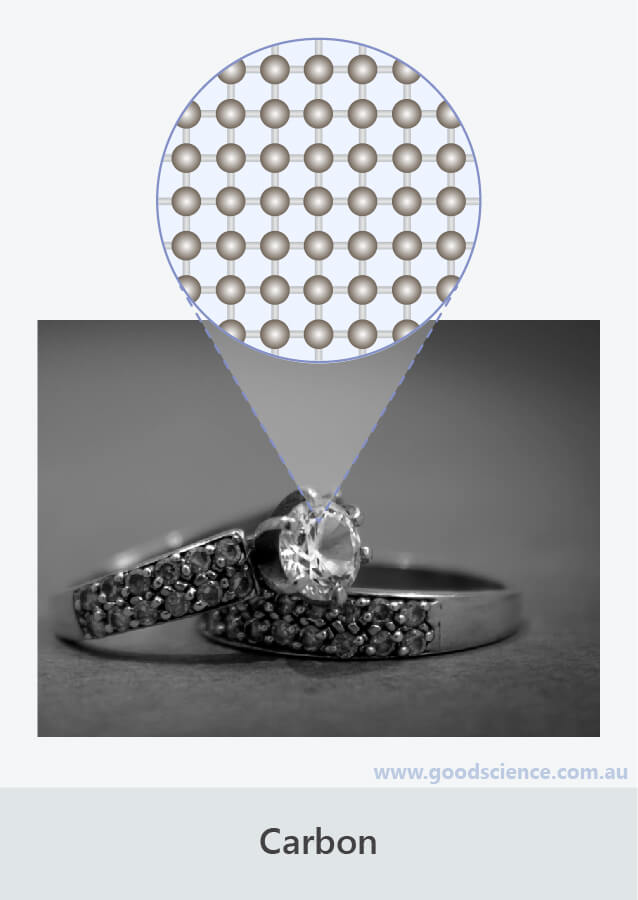
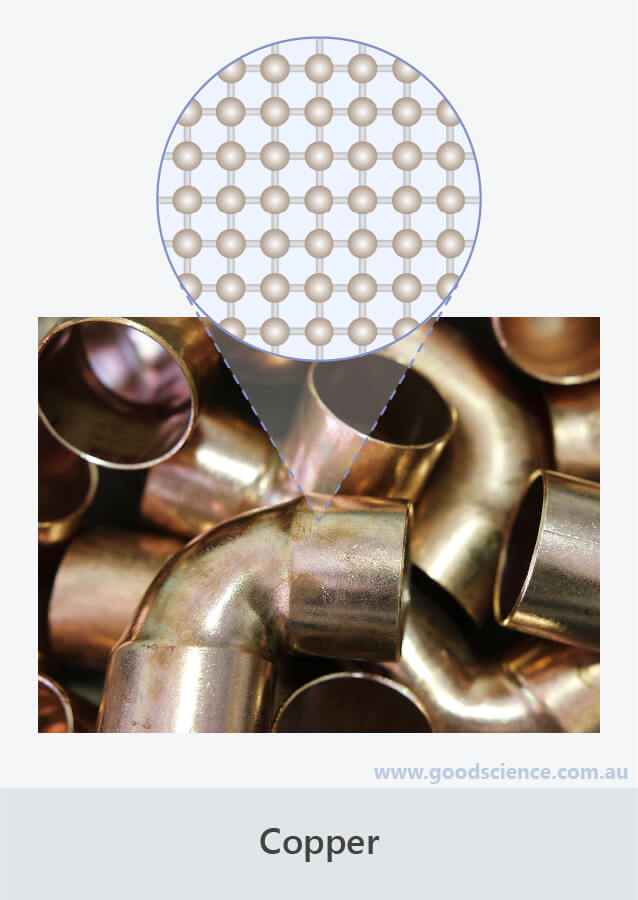
Helium, carbon and copper are each made up of only one type of atom; therefore, they are elements.
(Images: karosieben, Pixabay; lalesh aldarwish, Pexels; Dyanap, Pixabay)
- In some elements the atoms exist as molecules, containing two or more atoms of the same type.
- Examples
- The element chlorine is made up of chlorine molecules, which contain two chlorine atoms bonded together.
- The element phosphorus is made up of phosphorus molecules, which contain four phosphorus atoms bonded together.
- The element sulfur is made up of sulfur molecules, which contain eight sulfur atoms bonded together.
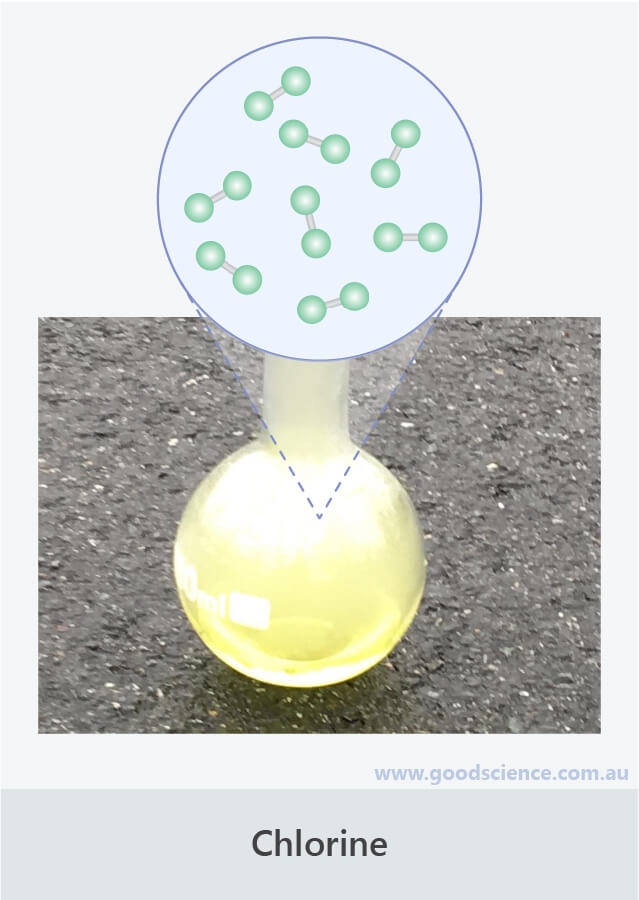
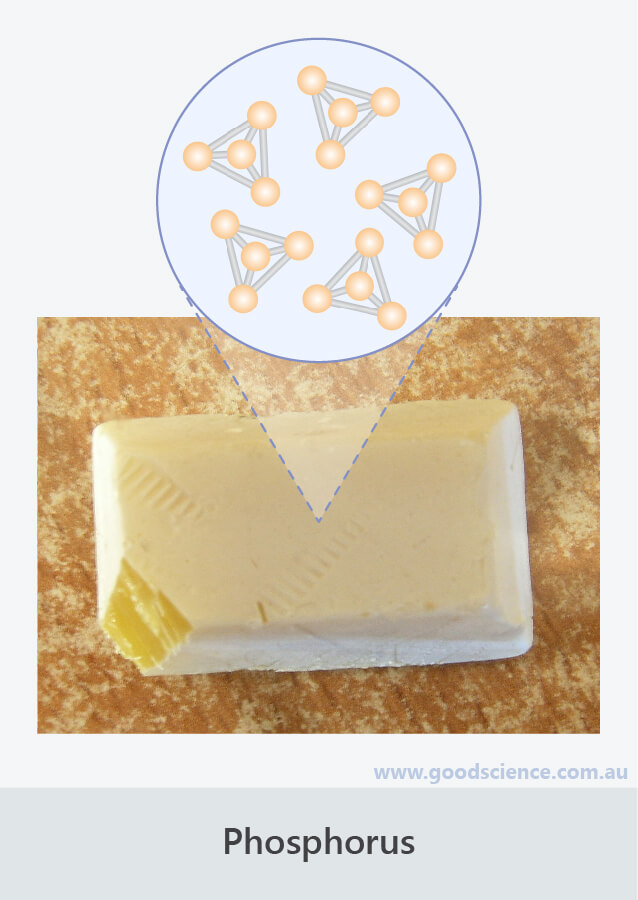
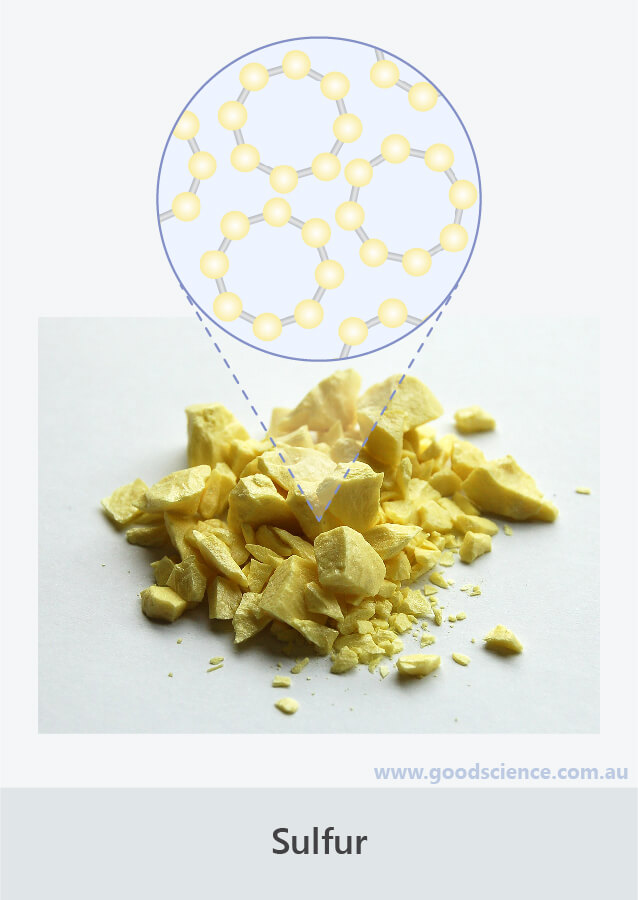
Although chlorine, phosphorus and sulfur are made up of molecules, they are still elements because their molecules are made up of only one type of atom.
(Images: Larenmclane, Wikimedia Commons; BXXXD, Wikimedia Commons; Ben Mills, Wikimedia Commons)
Compounds
- Compounds are substances that are made up of subunits containing more than one type of atom.
- Examples of compounds include: water, which is made up of molecules containing hydrogen and oxygen atoms; carbon dioxide, which is made up of molecules containing carbon and oxygen atoms; and sodium chloride (salt), which is made up of subunits containing sodium and chlorine atoms.
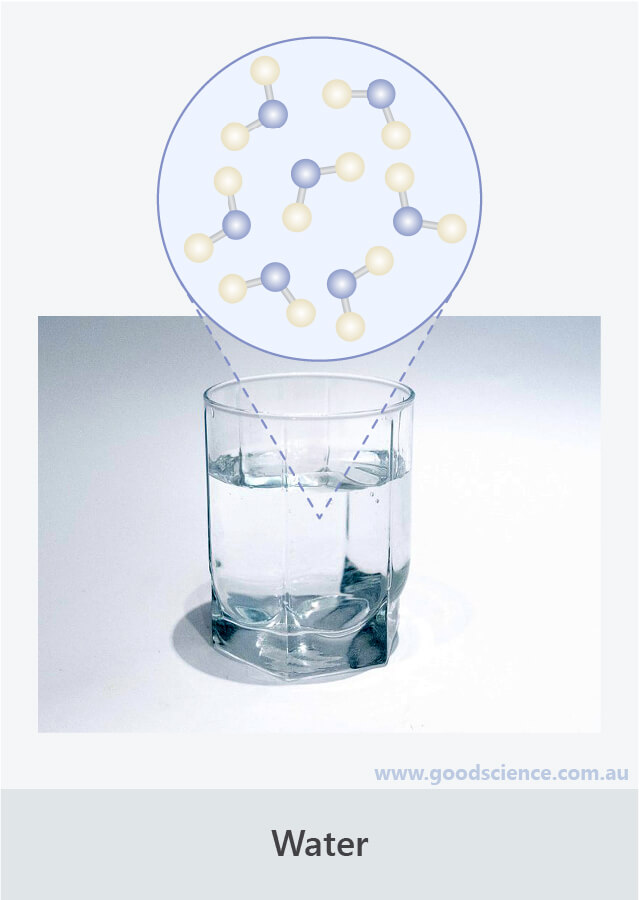
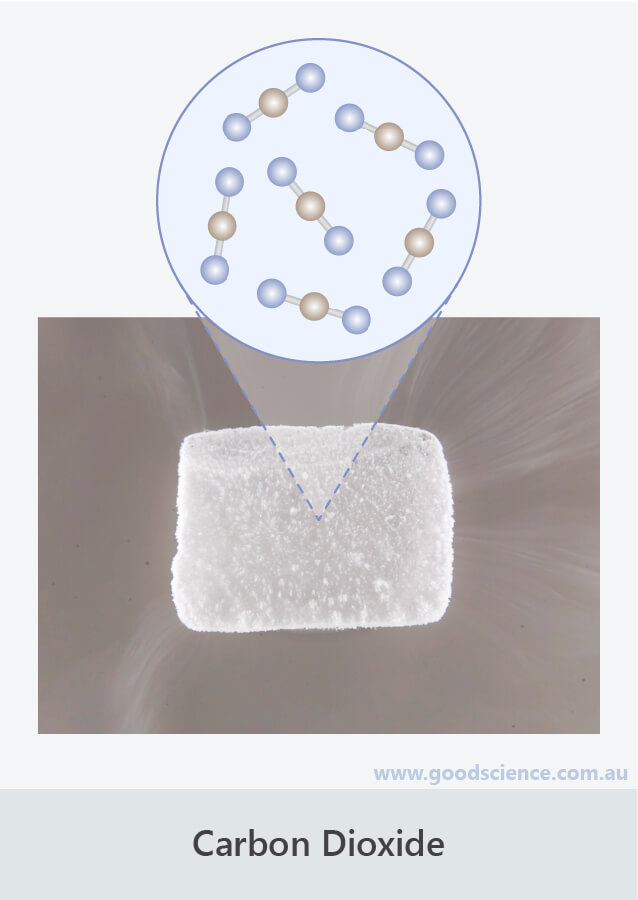
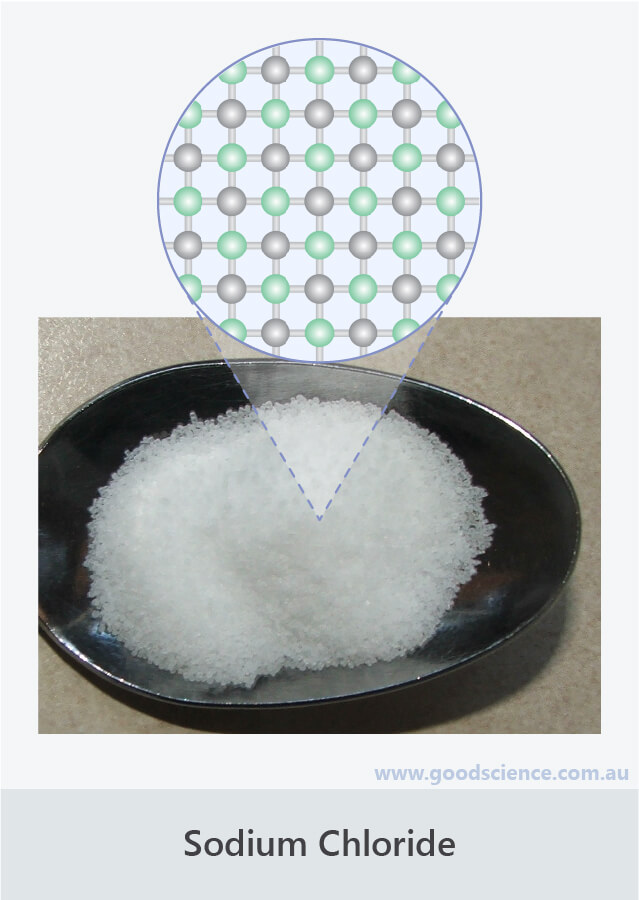
Water, carbon dioxide and sodium chloride are each made up of subunits containing more than one type of atom; therefore, they are compounds.
(Images: PredragKezic, Pixabay; KarolinaHalatek, Wikimedia Commons; Chemicalinterest, Wikimedia Commons)