5 | Separation of Pure Substances and Mixtures
5 | Separation of Pure Substances and Mixtures
Separation of Pure Substances and Mixtures
- Since elements consist of only one type of atom, they cannot be physically or chemically separated into simpler substances.
- Compounds cannot be physically separated into their component elements, but they can be chemically separated.
- For example, haematite is a compound containing iron and oxygen. The iron can only be extracted from haematite by a chemical reaction.
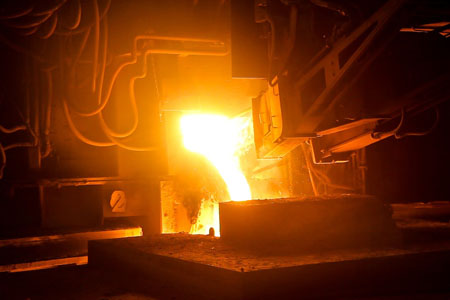
A blast furnace chemically extracts the element iron from compounds containing iron.
(Image: Psarianos, Wikimedia Commons)
- Mixtures can be physically separated into their component substances, by processes such as filtration and distillation.
- For example, pure alcohol (ethanol) can be physically separated from mixtures containing alcohol by distilling it.
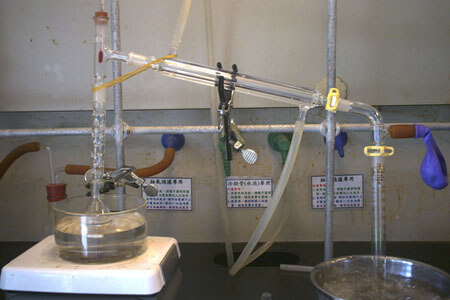
Distillation can separate pure alcohol from alcohol mixtures.
(Image: GOKLuLe, Wikimedia Commons)
- The chemical separation of compounds involves the breaking of chemical bonds, whereas the physical separation of mixtures does not.
- The breaking of chemical bonds requires energy. Therefore, the separation of mixtures into their component substances is easier (requires less energy) than the separation of compounds into their component elements.
- For example, the distillation of alcohol requires much less energy than the extraction of iron.