
4 | Properties of Elements, Compounds and Mixtures
4 | Properties of Elements, Compounds and Mixtures
Properties of Elements, Compounds and Mixtures
- Pure substances (elements and compounds) have fixed properties, such as melting and boiling point and chemical reactivity.
- For example, water is a pure substance. It freezes at 0 °C and boils at 100 °C. Crude oil is a mixture. It has multiple boiling points, where different components boil and vaporise at different temperatures.
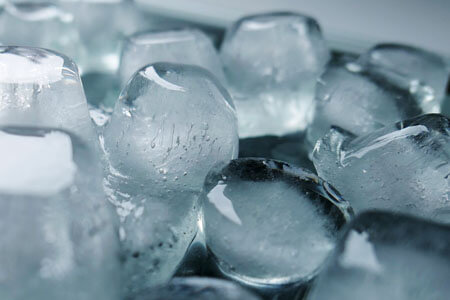
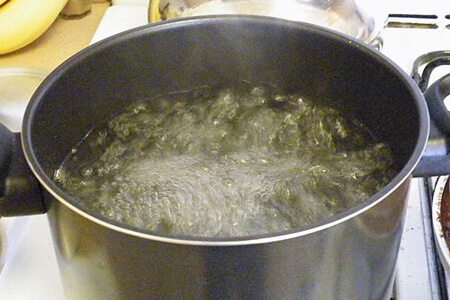
Water has fixed melting and boiling points.
(Images: moritz320, Pixabay; GRAN, Wikimedia Commons)
- Compounds have properties that are different to the elements they are formed from.
- For example, water molecules are made up of hydrogen and oxygen atoms, but water has very different properties to either hydrogen or oxygen. Water is a liquid, whereas hydrogen and oxygen are both gases. Water also reacts with other substances very differently to how hydrogen or oxygen do.
- Mixtures have variable properties, which are a combination of the properties of their components.
- For example, crude oil is a mixture. It has multiple boiling points, where different components, such as natural gas and kerosene, boil and vaporise at different temperatures.
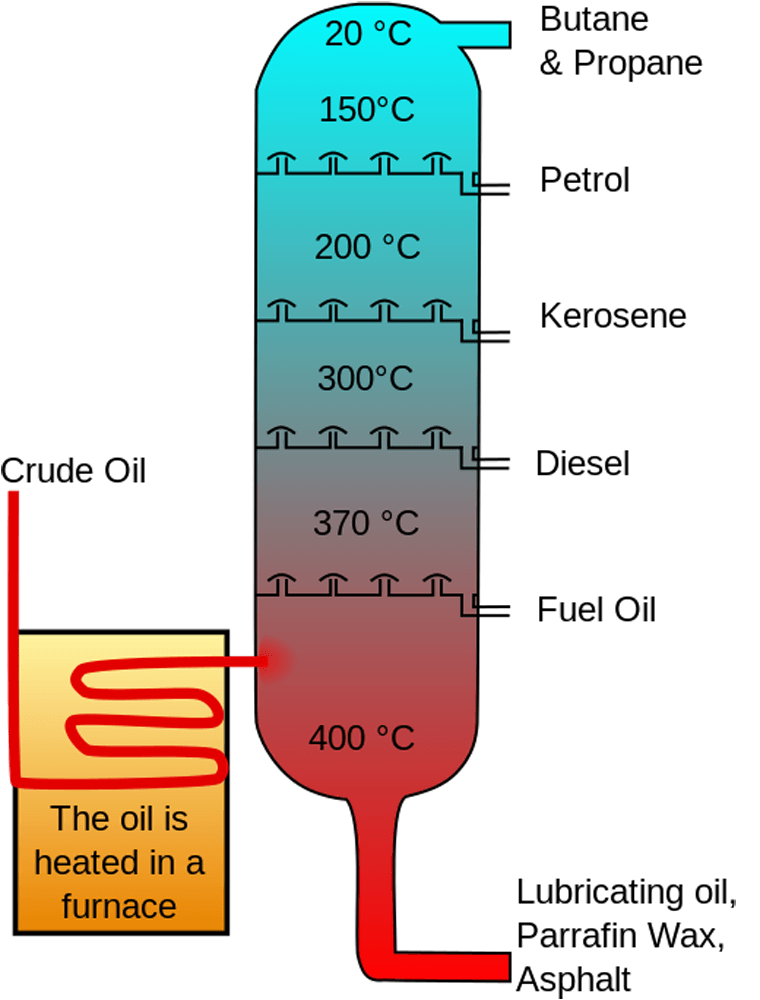
Crude oil has multiple boiling points as it is a mixture of several substances.
(Image: Psarianos, Wikimedia Commons)